



The Best Months to Look for A Job for Filipinos: Optimal Timing Guide
Talentlush | November 15, 2024
Finding the best time to look for a job can greatly affect your chances of success, especially in the job market of the Philippines. Different months present varied opportunities and challenges for job seekers, depending on factors like hiring cycles and seasonal trends. The most promising months for job hunting in the Philippines are influenced by seasonal recruitment patterns, academic schedules, and peak hiring periods. This article explores the best times for job seekers, from experienced professionals to fresh graduates, to increase their job search success.

Fresh graduates might face different challenges compared to experienced professionals. While they can enter the job market with enthusiasm in May and June, seasoned workers often find January to be a time for job hopping and new opportunities after bonus payouts. Understanding these trends can help tailor a job search strategy that aligns with individual career goals.
Key Takeaways: Best Months to Look for a Job
- January stands out as one of the best months to look for a job, particularly for experienced professionals. During this period, many companies finalize their annual budgets and open new positions to bring in fresh talent. Job seekers can take advantage of this window to apply for roles when hiring managers are actively recruiting to start the new year strong.
- For recent graduates, May and June are the best months for job hunting. These months align with the post-graduation season when employers often look to onboard new hires to inject fresh energy and skills into their teams. During this period, job seekers can find numerous entry-level opportunities as companies actively seek to expand their workforce with recent graduates.
- September and October present another wave of strong job-seeking opportunities. As businesses push to fill roles before the holiday season, these months become the best months to look for a job for those aiming to secure employment before year-end. Companies often aim to onboard new staff before operations slow down for the holidays, making this period advantageous for job seekers.
Understanding the Job Market in the Philippines

The job market in the Philippines is shaped by economic developments and seasonal hiring patterns. These factors play a crucial role in determining job availability for Filipinos throughout the year.
The Impact of Economic Trends on Hiring
Economic trends significantly influence hiring in the Philippines. During periods of economic growth, businesses often expand, increasing job openings in various sectors. Technological advancements also drive the need for skilled workers, particularly in IT and electronics. According to World Bank, even the aftermath of global events like the COVID-19 pandemic has led to shifts in the job market, demanding adaptability from both employers and job seekers. Improved conditions typically lead to better job security and opportunities. Employers remain optimistic, expecting performance to return to pre-pandemic levels as highlighted in a Jobstreet report.
Seasonal Hiring Trends and Their Influence on Job Availability
Seasonal hiring trends are pivotal in determining job availability in the Philippines. Certain sectors, such as tourism and retail, experience a surge in job openings during peak times like summer holidays and the Christmas season. This pattern creates temporary job opportunities for many. Meanwhile, education and agriculture often follow different seasonal cycles based on academic calendars and planting or harvest periods. The Philippine Job Market Report indicates that these trends not only impact temporary employment but also influence long-term hiring practices as businesses adjust to market demands. Being aware of these patterns can help job seekers identify the best times to apply for certain types of jobs.
When Companies Set Their Hiring Budgets

Understanding when companies set their hiring budgets is key for job seekers. This timing influences when companies are most active in recruiting and when candidates might find the best opportunities. (See the Cost Per Hire and Recruitment Budget Calculator to find out which recruitment areas and activities companies allocate budget to.)
Fiscal Year Beginnings and Hiring Peaks
Most companies align their hiring activities with the start of their fiscal year. This is when new budgets get approved, and businesses plan for future growth. In the Philippines, like in many other places, this often means a surge in job openings in January and February. Fresh budgets allow HR departments to ramp up their efforts to fill positions that align with new goals and projects.
For job seekers, this period is advantageous for applying to jobs, especially in sectors where planning and budgets drive employment needs. Companies are eager to start the year strong, making it an ideal time to apply for positions.
The Role of Hiring Budgets in Recruitment
Hiring budgets play a significant role in shaping a company’s recruitment strategy. They determine how many people a company can hire and influence the types of roles they prioritize. Budgets also impact the resources allocated to recruitment marketing, advertising, and the overall recruitment process. During peak hiring seasons, like the start of the fiscal year, companies have more flexibility and capability to bring in new talent.
A well-planned hiring budget ensures that firms can meet strategic goals. For job seekers, recognizing these patterns is crucial as it provides a roadmap for understanding when businesses are actively searching for new employees. This strategic timing can give candidates an edge in securing their desired roles.
Strategic Job Hunting for Filipinos

When planning job hunting in the Philippines, it’s crucial to consider the timing and industry peaks. Aligning your search with periods of high hiring activity can boost success rates. Adapting your approach to match industry-specific cycles also enhances opportunities.
Best Months to Look for A Job
January is an excellent month for job seekers, as many companies are finalizing their budgets for the year and actively filling open positions. This time is especially beneficial for experienced professionals looking for new roles. For recent graduates, May and June are the best months to search for jobs since they coincide with graduation season and the start of job market entry. During these months, employers often seek fresh talent to join their teams. September and early October offer good opportunities for job seekers, as businesses push to fill roles before the holiday season. This timeframe is favorable for those looking to secure a position, as companies aim to onboard new employees before the year ends.
Mid-year months like July and August are typically less active for job hunting, as many companies shift their focus to internal work and may have limited recruitment. Additionally, job searching during the holiday season (November and December) can be difficult. Companies often slow down hiring to focus on holiday planning, and key decision-makers may be on leave, resulting in fewer openings and more competition.
However, knowing these trends can be an advantage. Job seekers willing to apply during quieter months may face less competition, potentially opening doors to positions that need to be filled quickly.
Tailoring Your Job Search to Industry Peaks
Different industries follow specific hiring patterns that affect job searches. For example, sectors like IT and business process outsourcing (BPO) often hire most actively during the first half of the year. Fields like education align their hiring with the academic calendar. Understanding these patterns helps job seekers plan their applications to match peak hiring times. Doing your homework and preparing well can help you use these opportunities to your advantage.
Post-Graduation and Fresh Graduate Opportunities

Finding a job as a recent graduate can be challenging, but understanding recruitment schedules and utilizing resources like university hiring fairs can help. Post-graduation hiring often peaks in early months, while fresh graduates should capitalize on specific cycles.
Navigating the Recruitment Window for New Graduates
Many companies have specific recruitment windows tailored for fresh graduates, often aligned with the academic calendar. These windows typically occur shortly after graduation periods, mainly between March and June, when businesses seek new talent.
Graduates should focus on these months to maximize their chances of landing a position. It is essential to prepare thoroughly, honing skills in high-demand areas such as IT and administration, which are particularly sought after in the job market.
Additionally, candidates should be ready to adapt their resumes and cover letters to meet the specific requirements of each job opportunity. This tailored approach can enhance their employability.
Leveraging University Hiring Fairs
University job fairs are a great way for fresh graduates to meet employers directly. These events usually happen during the academic year, aligning with peak post-graduation hiring. At these fairs, students and graduates can learn about job opportunities and internships in various fields.
Attending these job fairs is a chance to talk face-to-face with recruiters, make connections, and get a better understanding of different industries. Preparing an elevator pitch and asking thoughtful questions can help graduates stand out and leave a positive impression. Including these fairs in your job search strategy can be an effective way to start your career.
The Recruitment Process in the Philippines

The recruitment process in the Philippines is unique with certain strategies standing out in job applications and preparing for interviews. Knowing these can increase a candidate’s chances of success.
Effective Strategies for Job Applications
To stand out, tailor your resume to highlight the skills and experiences that match the job. Personalizing your application shows employers that you’ve put effort into applying. Networking is also valuable, as connecting with industry professionals can lead to referrals and job leads. Engaging with experts on LinkedIn, for instance, can help you discover new opportunities. Here’s an in-depth guide: Essential Guide to Hiring Employees in the Philippines.
Following up on job applications shows perseverance and interest. A polite email or call asking about the status of an application reflects enthusiasm.
Preparing for Interviews: What to Expect
Interviews in the Philippines may be formal or informal, depending on the company. Preparation involves researching the company to understand its values and operations. Knowing this helps candidates relate their answers to the company’s goals.
Practicing common interview questions boosts confidence. Mock interviews can help candidates articulate their thoughts clearly. Interviews may focus on skills, experience, and cultural fit.
Candidates should be prepared for a panel interview, where multiple interviewers assess them. Dressing appropriately and being punctual is essential in making a good impression.
Aligning with Recruitment Agencies

Recruitment agencies play a crucial role in connecting job seekers in the Philippines with promising job opportunities. Partnering with an agency, especially during the best months to look for a job, can enhance a job seeker’s success. These agencies provide access to a range of openings and tailored support that aligns with individual career goals.
How Agencies Facilitate Job Searches
Recruitment agencies leverage extensive networks and have access to job openings that might not be publicly advertised. This exclusive insight is invaluable for job seekers, especially when searching during peak hiring months. Connecting with these agencies during the best months to look for a job can provide a competitive advantage. Agencies help match Filipinos with employers looking for specific skills, boosting the chances of securing a position.
Applicants can benefit from personalized assistance such as resume optimization, interview preparation, and guided support throughout the hiring process. Feedback provided after interviews further increases the potential for landing desirable roles.
Certain agencies even specialize in industries like technology or healthcare. This targeted approach allows job seekers to align with positions suited to their skills and experience, making the search more efficient during the best months for job hunting.
Choosing a Recruitment Agency Aligned with Your Career Goals
Selecting the right recruitment agency is vital for achieving career aims. Begin by researching agencies with expertise in your desired field. Agencies known for successful placements in similar roles typically have strong connections and experience.
Assess agencies based on their reputation, client reviews, and placement success rates. These factors can indicate reliability and effectiveness. Understanding the agency’s fee structure and contract terms is also crucial for making an informed choice.
Clearly communicate your career goals to your chosen agency. This step helps the agency identify job opportunities that align with your aspirations, improving your job search outcomes—particularly during the best times to apply for jobs.
Crafting Your Application Collateral
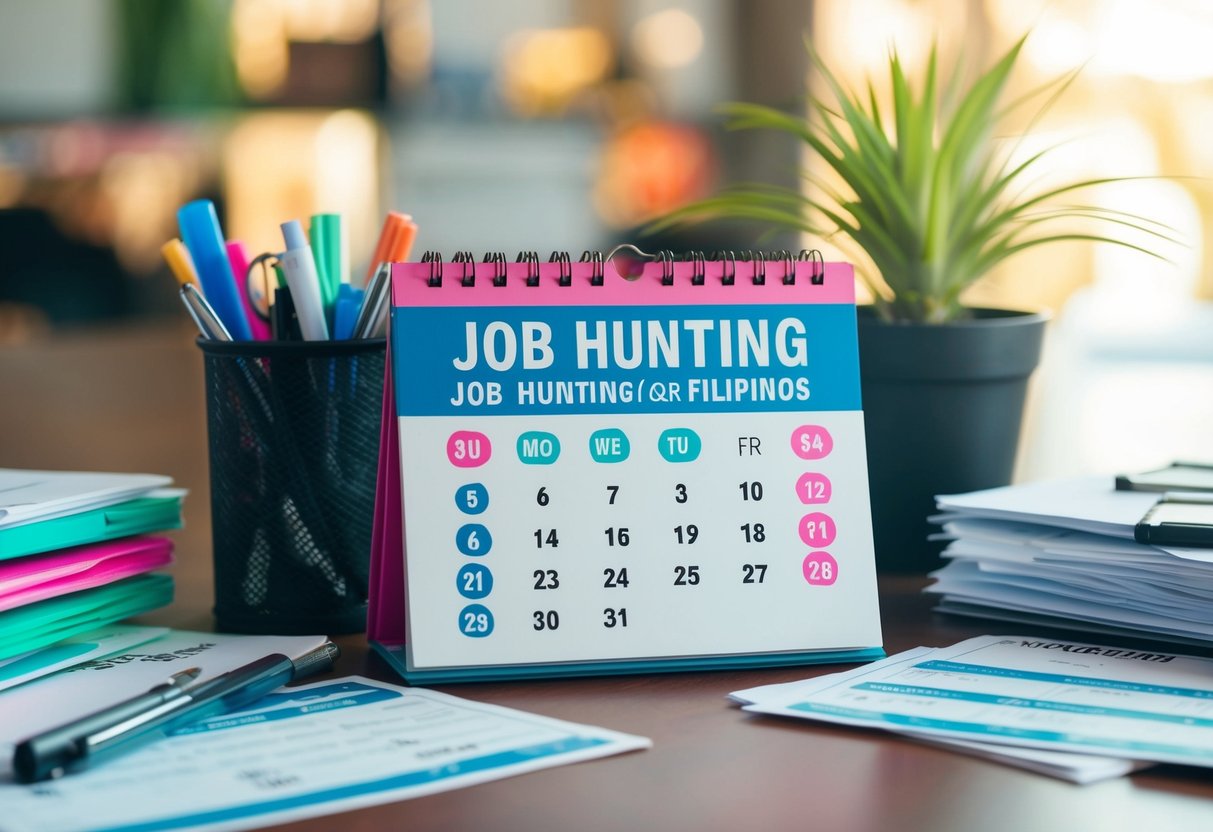
Job applications require thoughtful preparation to make a strong impression. It’s important that both the cover letter and resume effectively showcase relevant skills and experiences.
Writing a Compelling Cover Letter
A cover letter adds a personal touch to a job application. It should directly address the hiring manager and mention the specific job you are applying for. Start with a strong opening that catches interest.
Highlight your most relevant experiences without repeating your resume. Instead, explain how your skills fit the job description and include examples of past achievements. Mentioning specific contributions can illustrate your potential impact.
Close with a call to action, inviting further discussion about your application. Keep it concise and limit it to one page. A well-written cover letter can distinguish your application from others.
Assembling a Persuasive Resume
A persuasive resume is focused and tailored for the job you’re pursuing. Use keywords from the job description, as many recruiters use systems to scan for these terms. Clearly separate sections such as Work Experience, Education, and Skills.
Highlight achievements with bullet points for easy reading. Quantify accomplishments where possible, such as “Managed a team of 5 to increase sales by 20%.” A neat, professional layout aids readability and creates a positive impression.
Include both hard and soft skills, ensuring your resume is comprehensive. Personalize it for each job to match company needs, enhancing your chances during peak job search periods. Finally, ensure that your resume passes the Applicant Tracking Software (ATS) screening so it reaches the eyes of recruiters and hiring managers. Talentlush offers a free ATS-friendly Resume Builder and Resume Keywords Scanner to support you in this process.
Frequently Asked Questions

Understanding when to search for jobs can significantly impact success in finding employment in the Philippines. Knowing the best times to apply and the trends in the job market can help job seekers strategize effectively.
What is the peak season for job hiring in the Philippines?
The peak hiring season in the Philippines often aligns with the start of the year. Companies typically have new budgets and projects, making January to March a popular time for hiring. This period offers a range of opportunities across various sectors, as employers are eager to fill positions early in the year.
Which months typically have the highest job vacancy rates?
Job vacancy rates in the Philippines tend to be highest from January to May. During these months, many companies open new positions, making it an opportune time for job seekers to apply. Recruiters are often active, looking to fill roles with fresh talent aligning with their annual business objectives.
How does being currently employed affect the job search process in the Philippines?
Being currently employed can be an advantage in the job search process. Employers often prefer candidates who are already employed as it indicates their skills are in demand. It also suggests that the candidate is actively contributing to their current organization, which can be reassuring to potential new employers.
Are there any particular months that are considered less optimal for job hunting?
The least optimal months for job hunting in the Philippines are mid-year, July, August, after the hiring peak, and the holiday period in November and December. During the holidays, companies often slow down hiring due to holiday activities and managers taking leave, resulting in fewer job openings and more competition.
During what period do companies in the Philippines usually ramp up their hiring?
Many companies ramp up their hiring activities after the end of the fiscal year, usually starting in January. This is when new budgets are approved, and business objectives for the year are set, prompting organizations to seek new employees to support these goals. The hiring momentum often continues through the first quarter.
What trends in the job market should job seekers be aware of when planning their search?
Job seekers should pay attention to industry-specific trends, such as which sectors are experiencing growth and hiring demands. They should also take note of technological advancements and increased remote work options. According to Job Interview Checklist, being prepared for common interview questions is crucial in today’s competitive market.
Share this:

Discover more from Talentlush - Job Search & HR Solutions Platform
Subscribe to get the latest posts sent to your email.